
Tea Shop
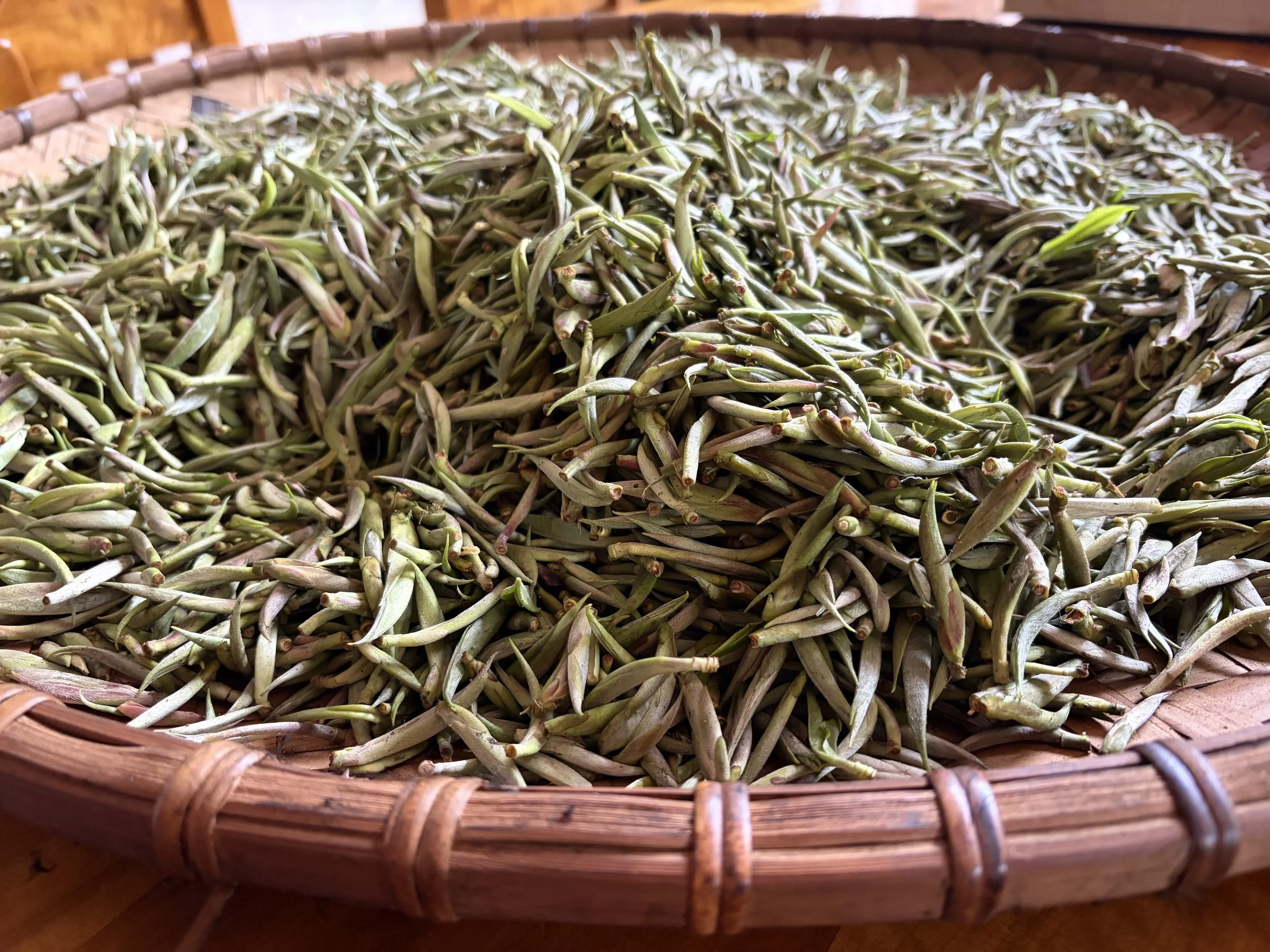
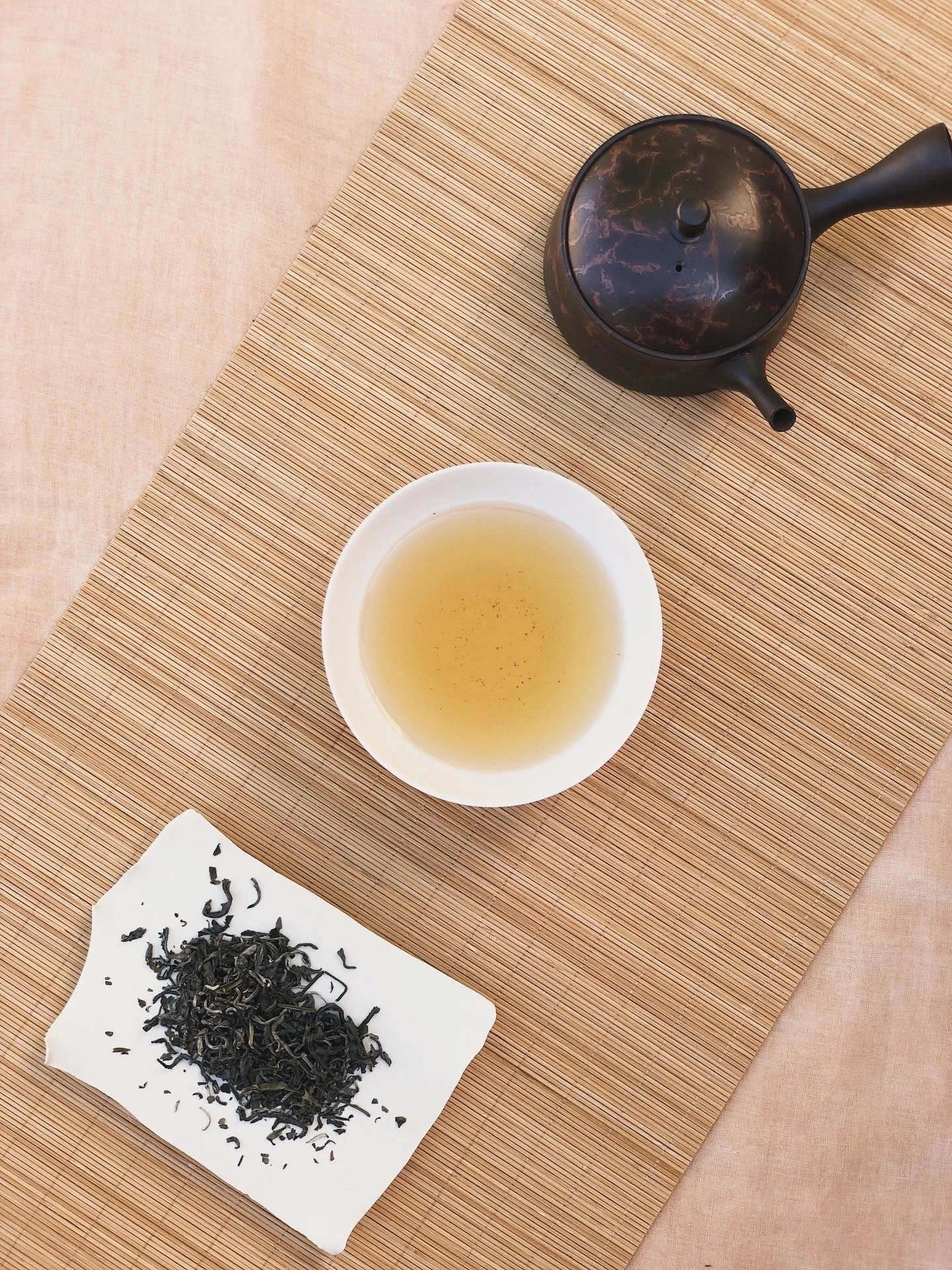
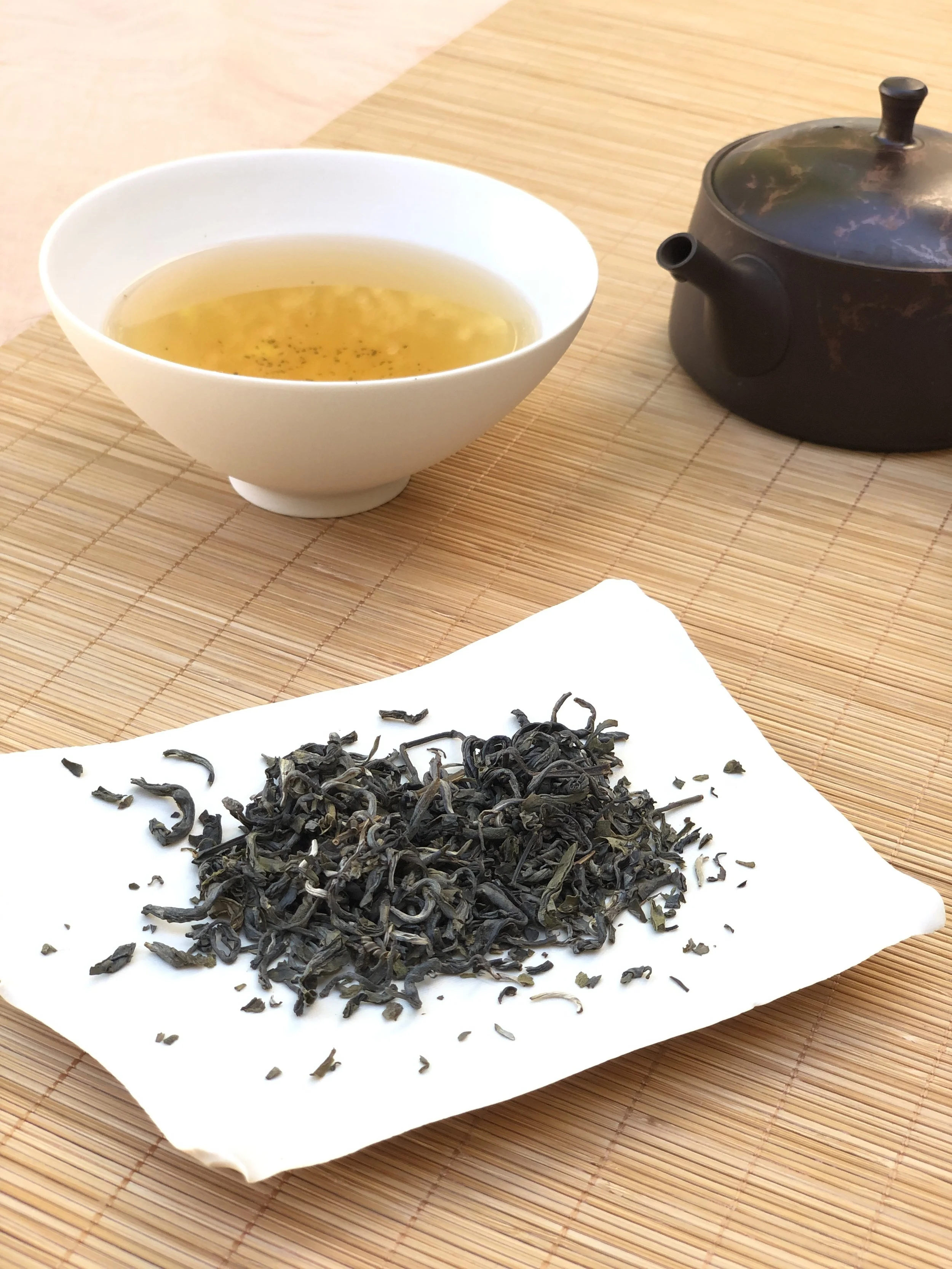
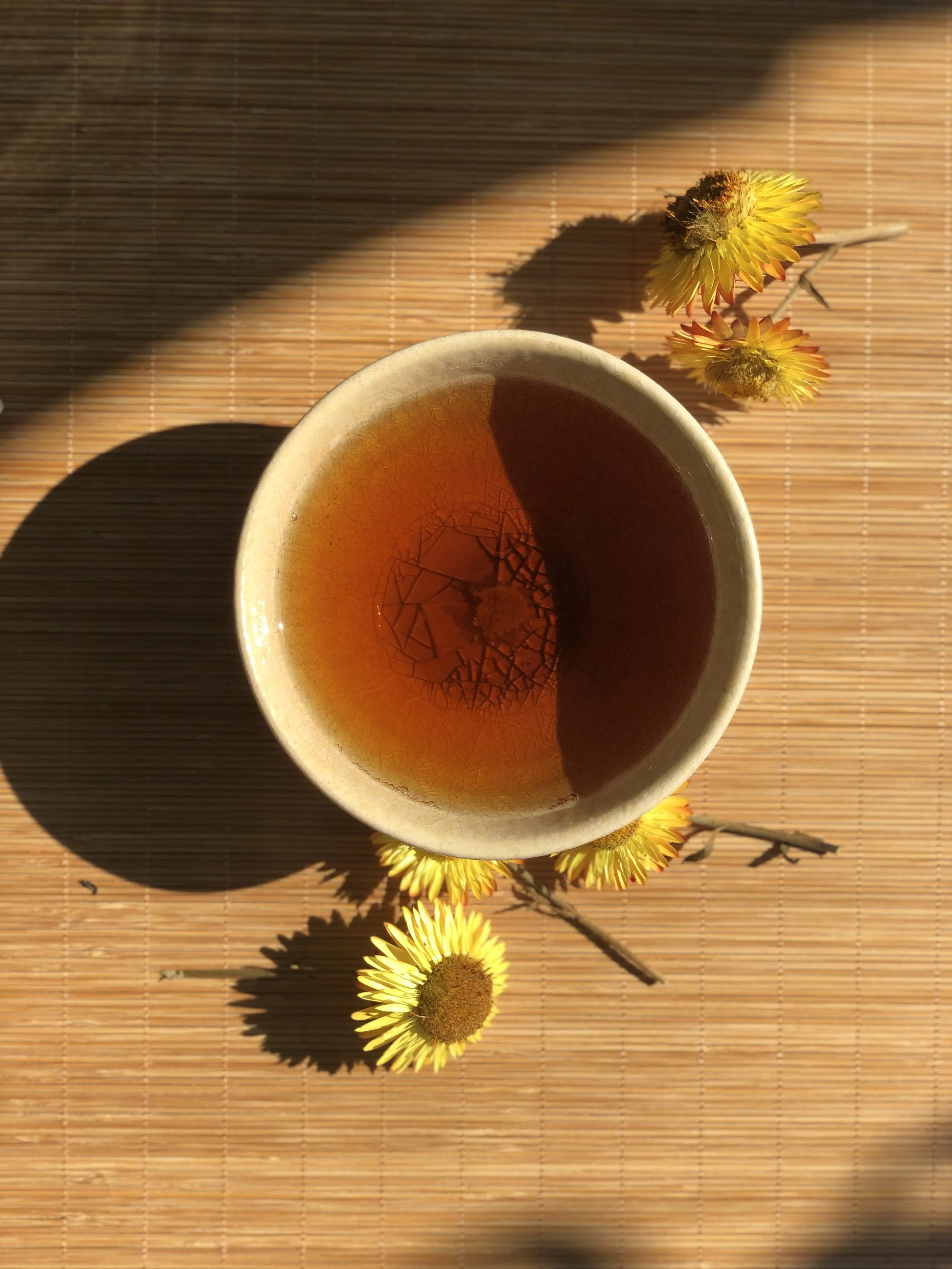
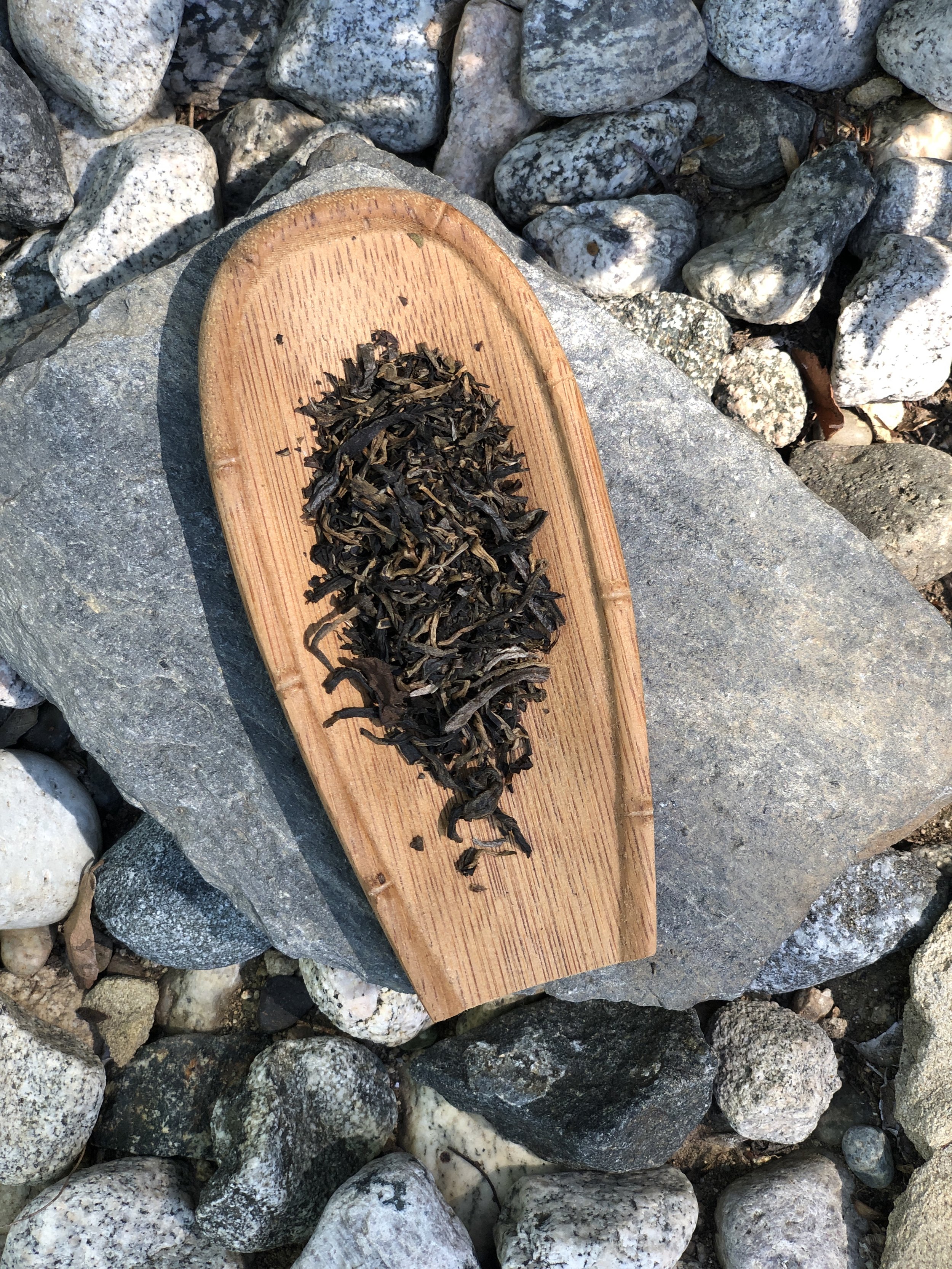
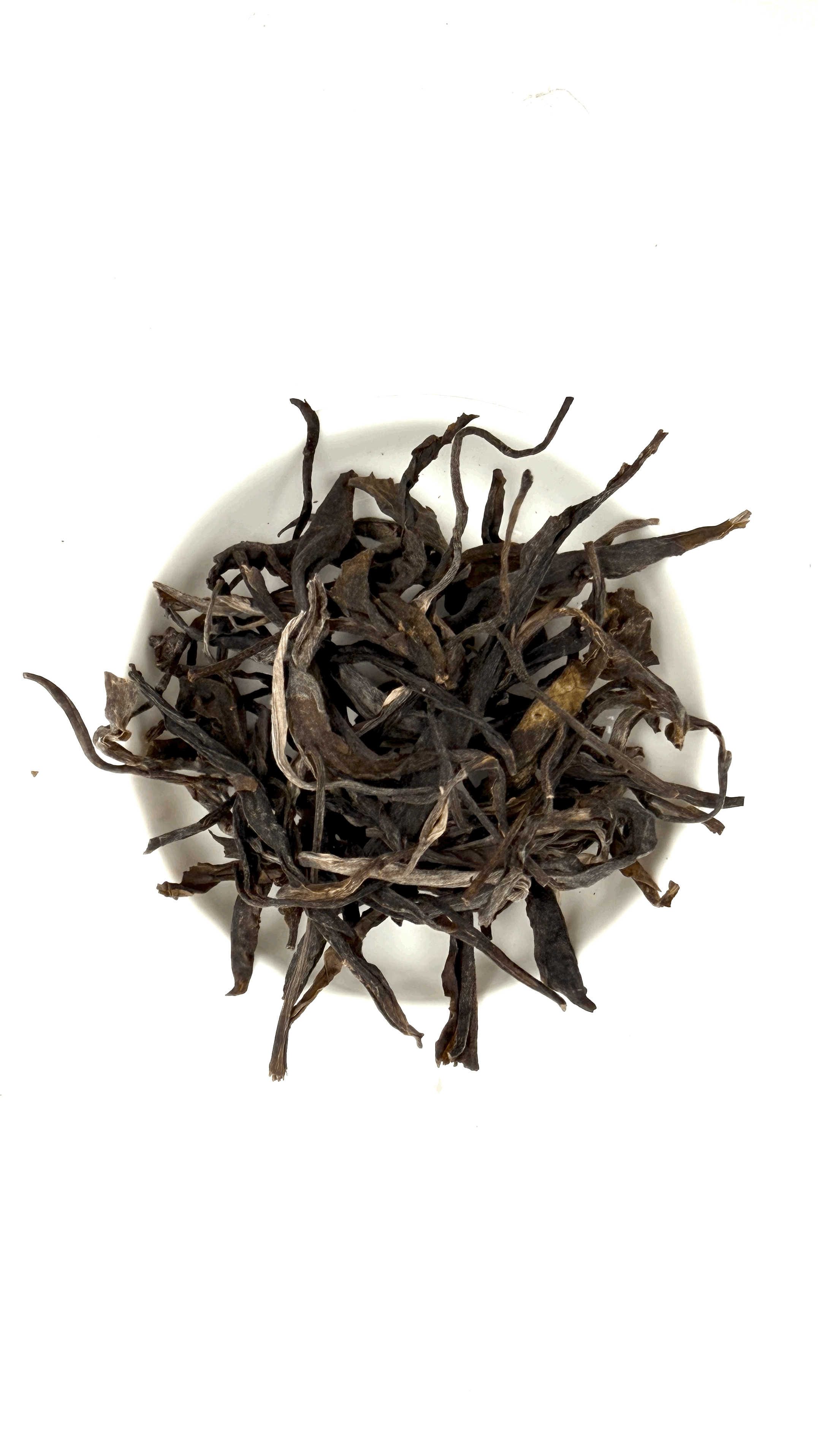
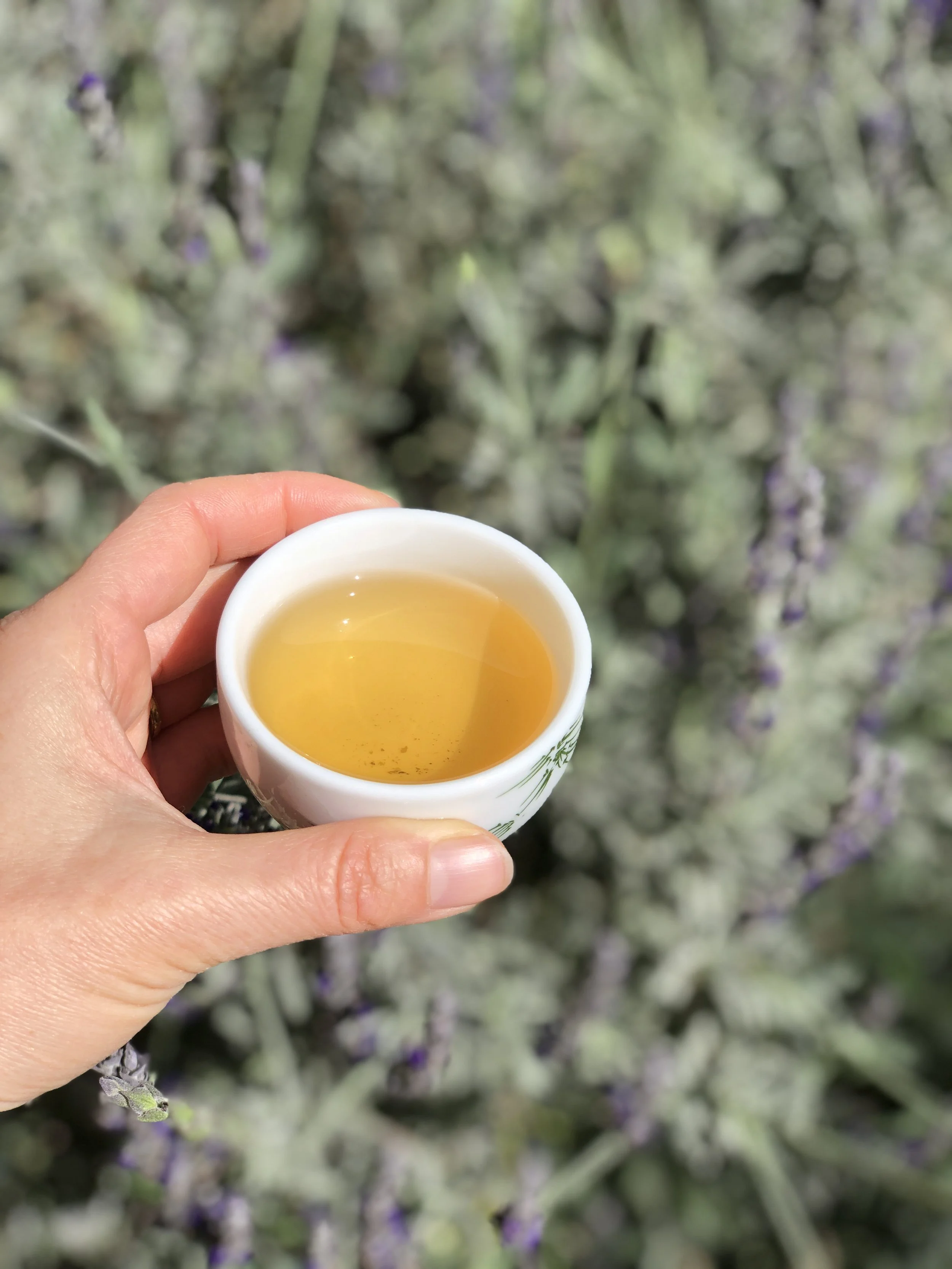
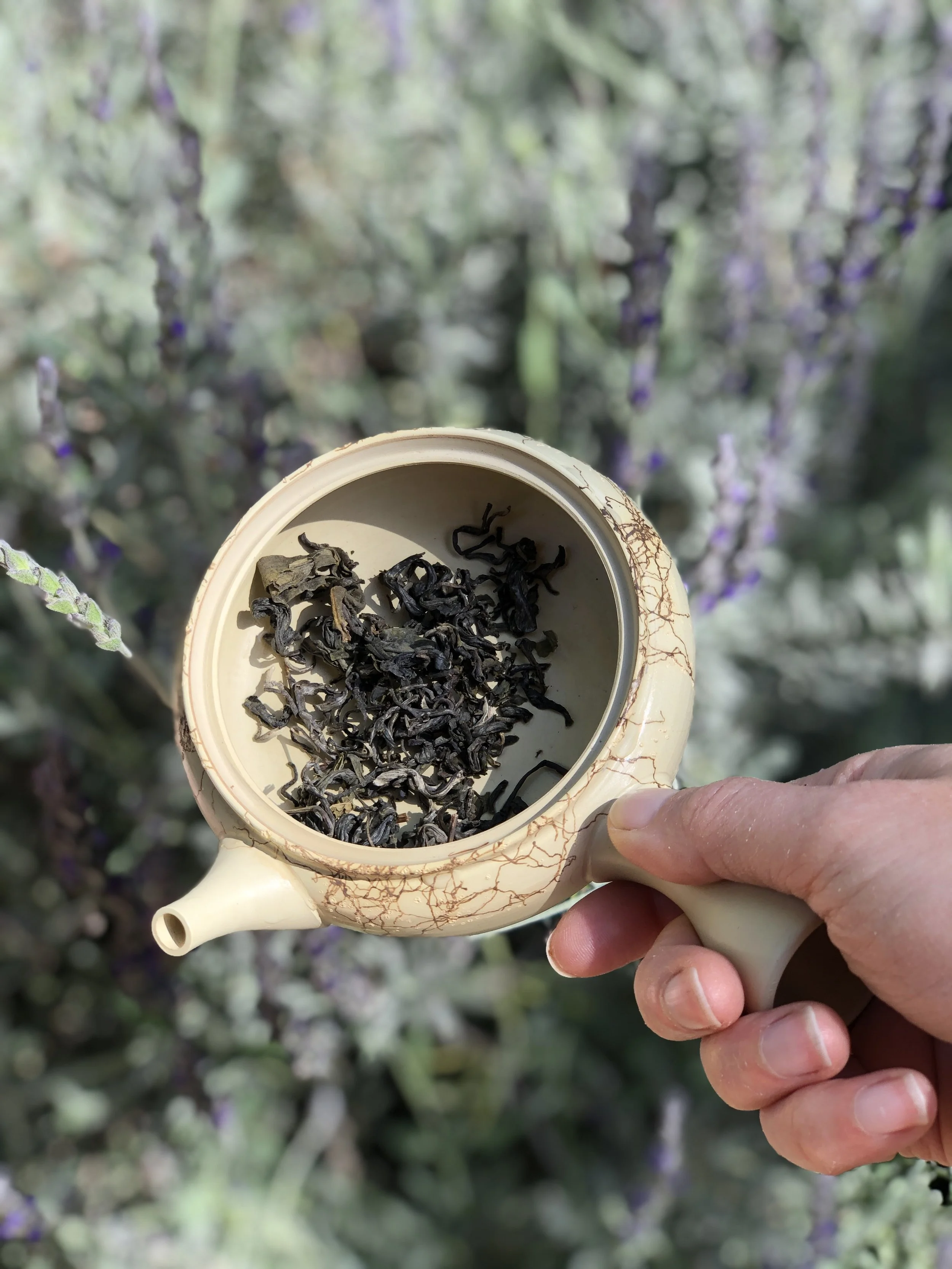
Each tea we offer is available in limited quantities, shaped by harvest, season, and the hands that produce it. These are not mass-grown leaves — they come from rare cultivars, ancient tea trees, and micro-lots crafted by artisans who prioritize depth of flavor over volume. Because these batches are small, each one carries its own quiet window of availability, offering a slightly different character with every harvest. Because so little is made, once a tea sells out, it typically won't return in the same form again.
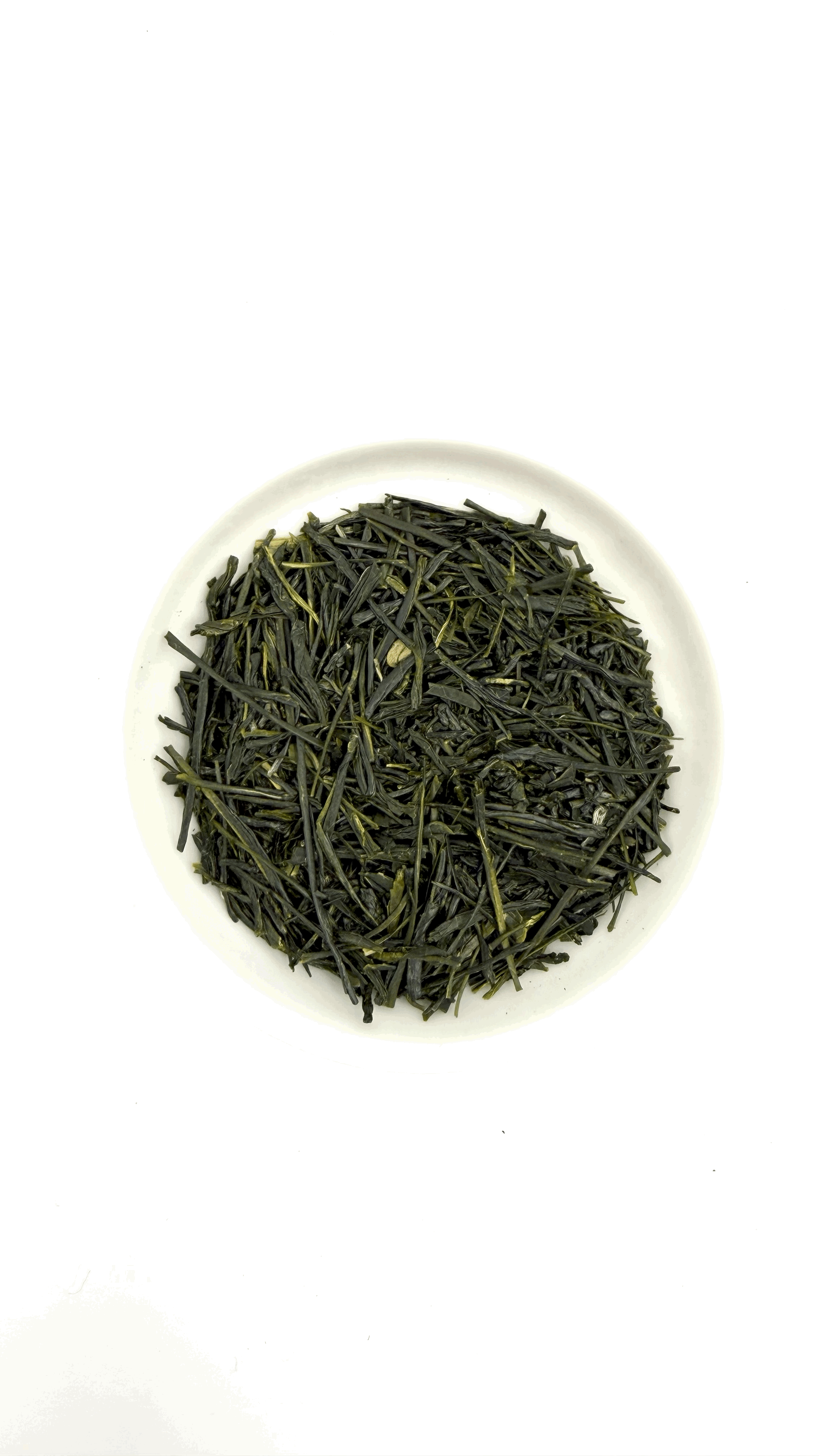
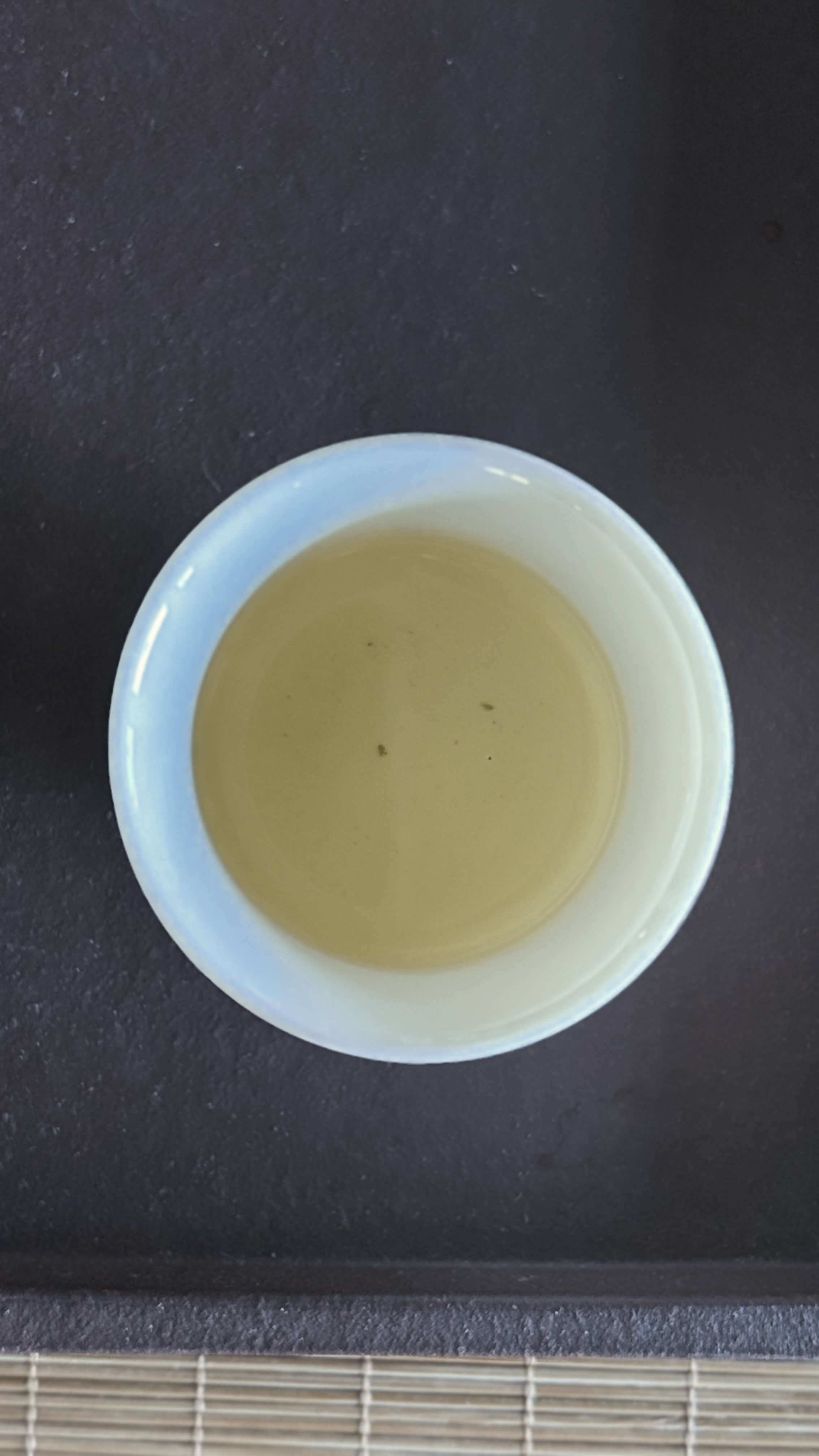
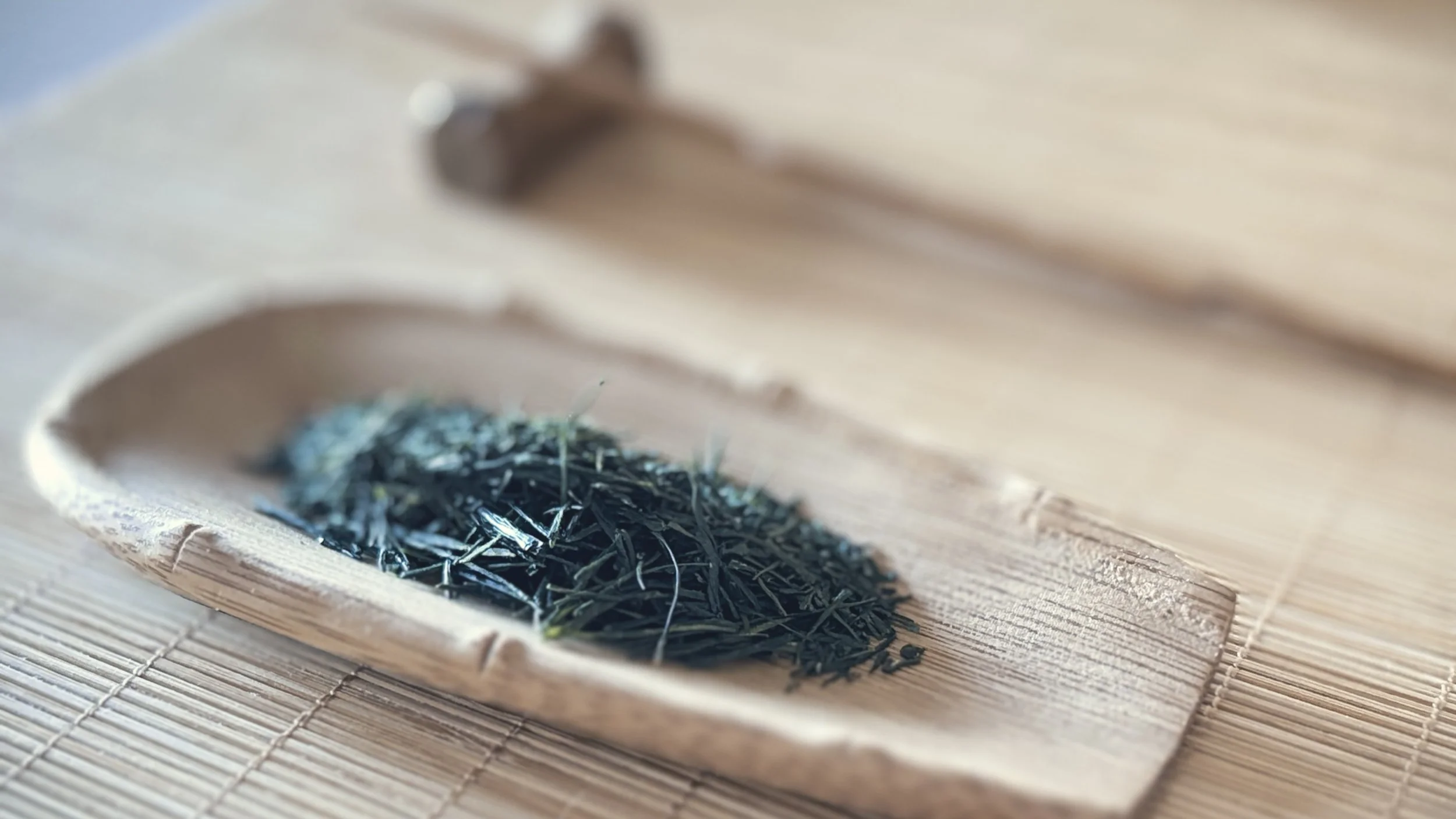
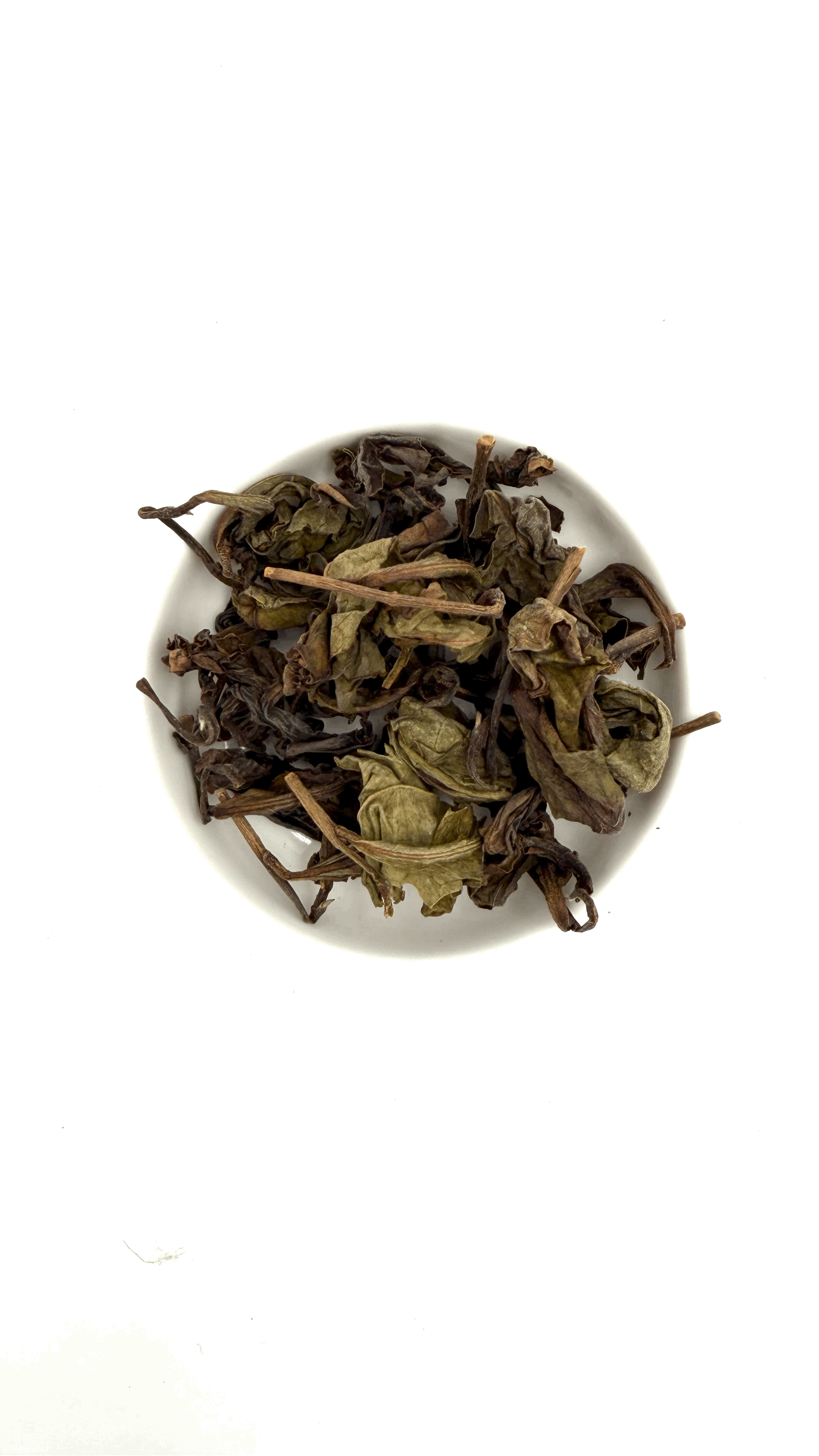

[ The Tea Makers ]
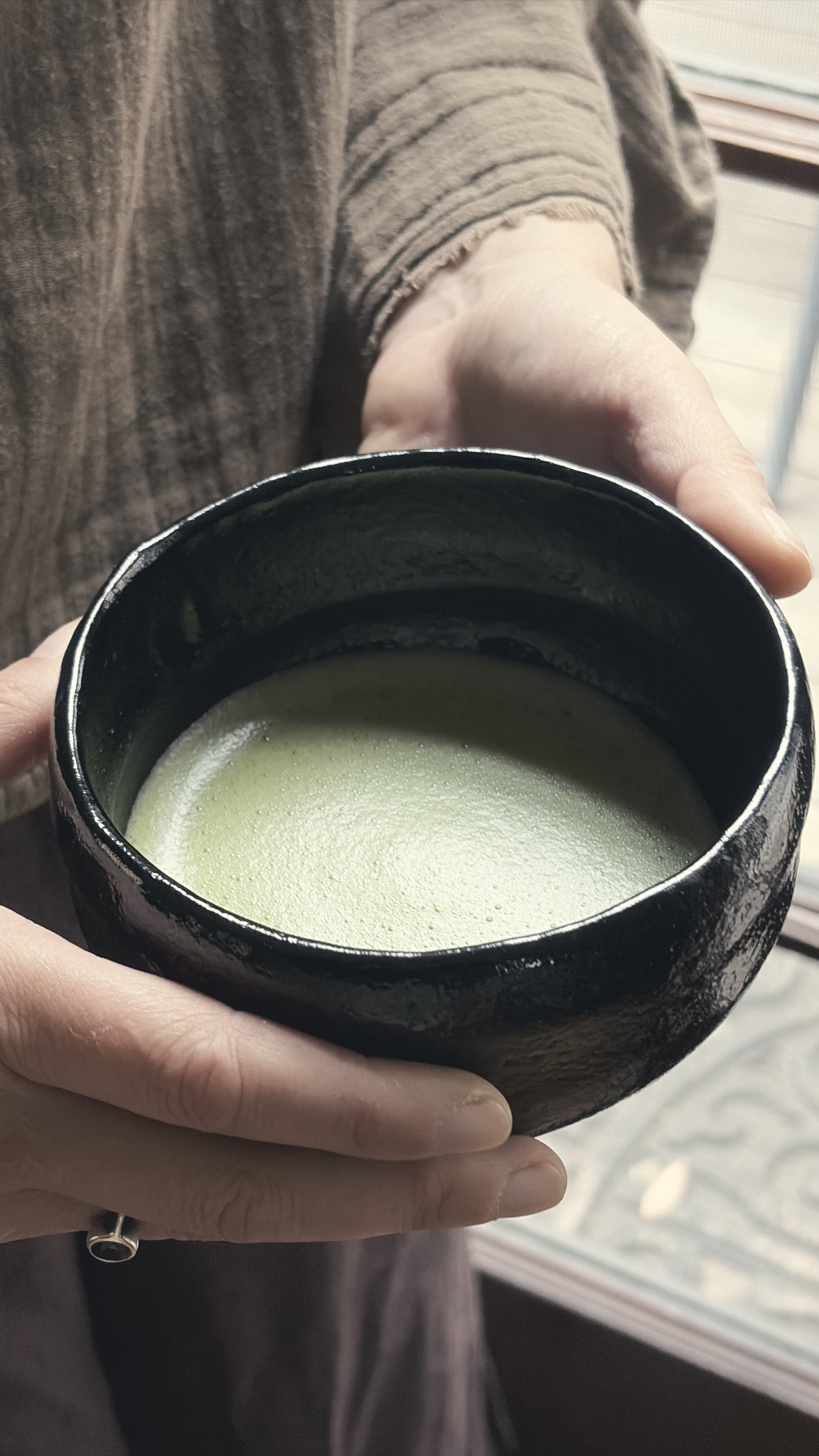
Haubecha
Cao Bo, Vietnam
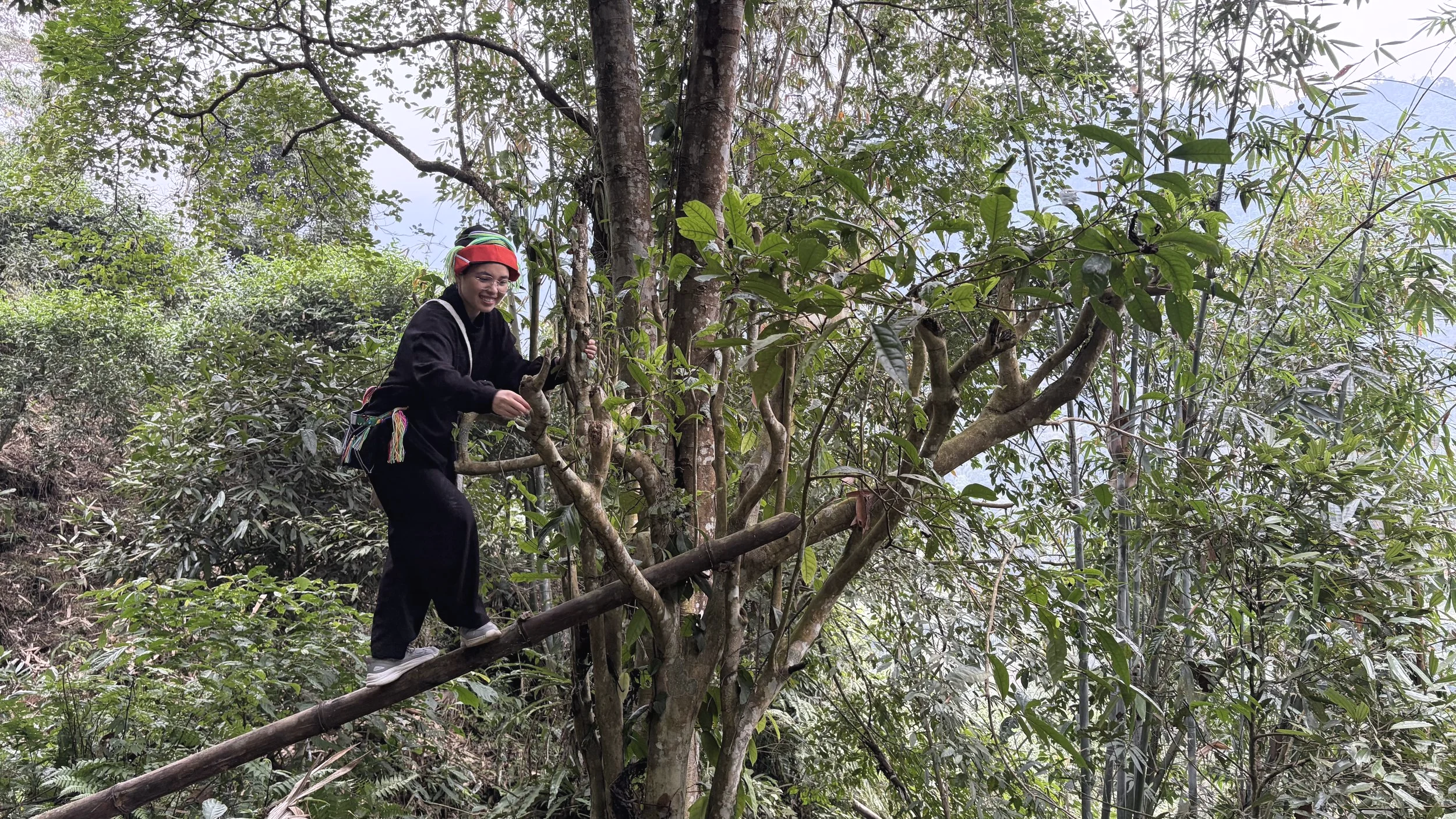
In the high mountains of Cao Bo, Vietnam the Red Dzao community gathers wild Shan Tuyet tea from ancient trees rooted deep in forested terrain. Each leaf is hand-picked and processed within a small family cooperative, maintaining a direct and intimate connection between people, plant, and place.
These teas are not cultivated in fields, but gathered from living forests—shaped by altitude, climate, and time rather than human design. The work is guided by inherited knowledge passed through generations, where tea is both sustenance and a vessel for cultural memory, teaching, and relationship with the land.
“Haubecha” means “thank you” in Red Dzao dialect. Thank you to the tea plants and the land, to the sun and the rain, to the tea harvesters and producers, and to those who enjoy the tea.
Produced in small, careful batches, the tea reflects the clarity of its origin: wild, untamed, and deeply connected to its environment. Through this practice, the Red Dzao continue a way of life where tea is not only crafted, but lived.
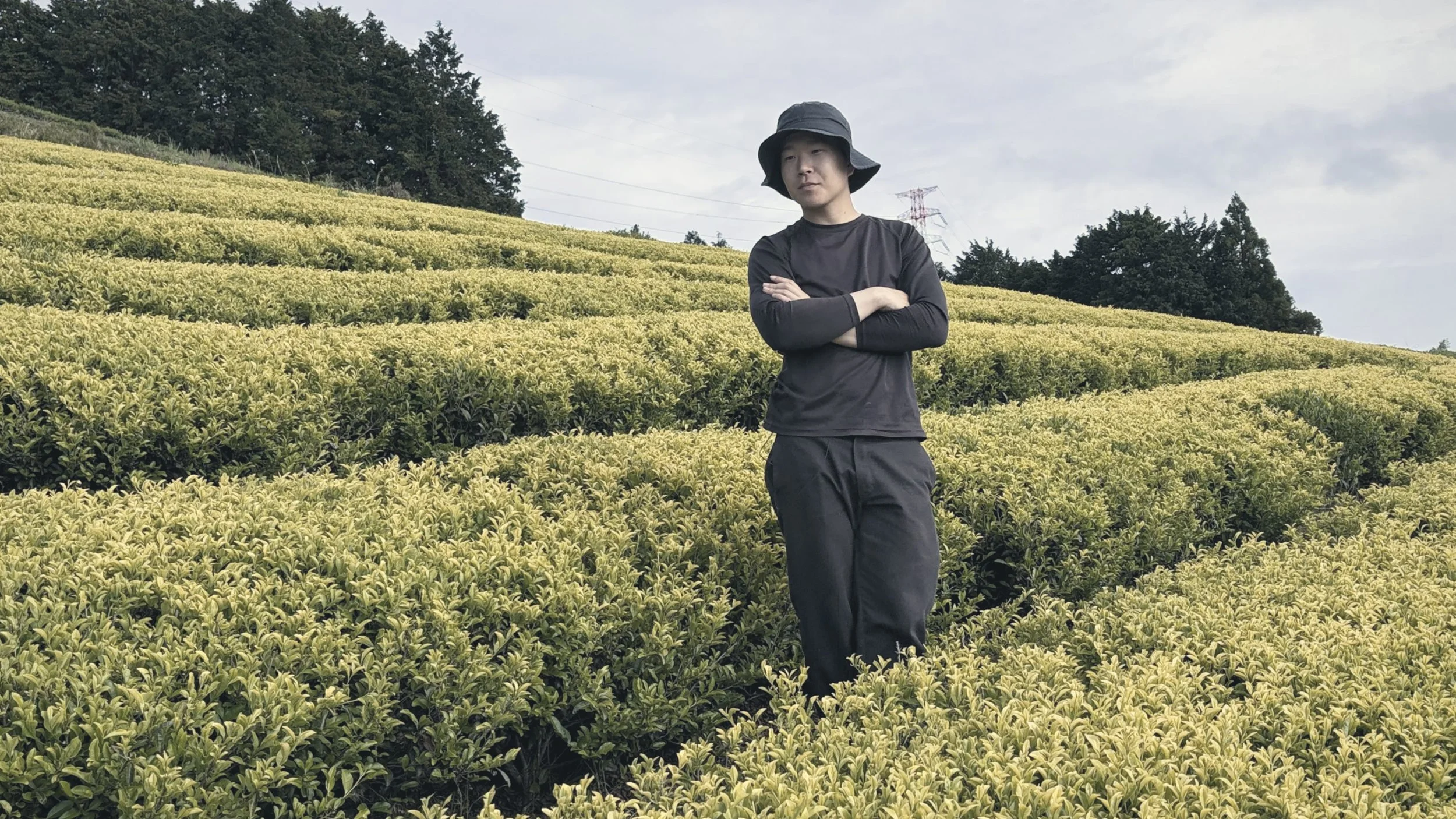
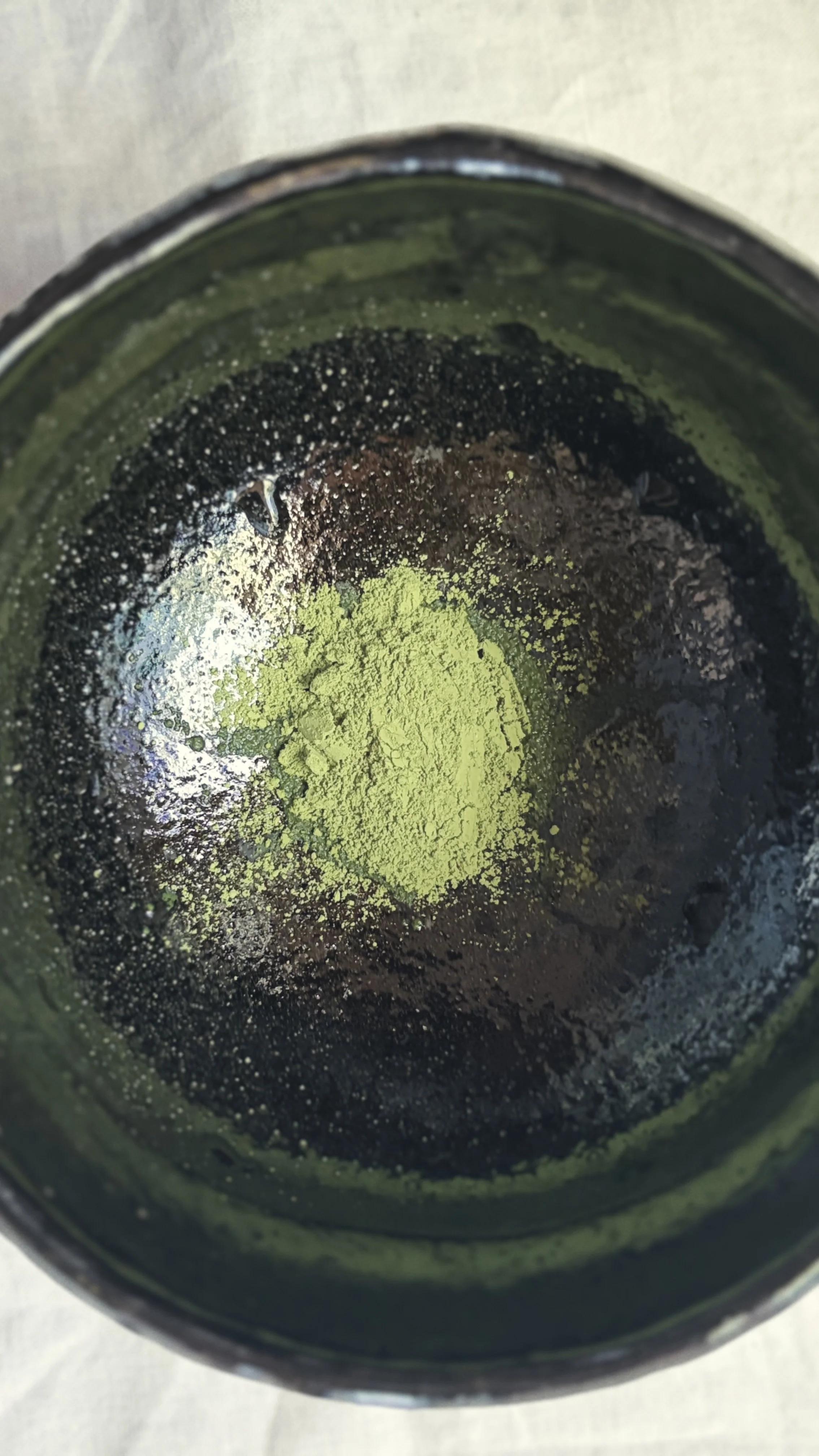
Shibakiri-en
Mobata, Shizuoka, Japan
In the quiet village of Mobata, Shizuoka, tea grows among forests, mist-covered hills, and the quiet rhythms of the seasons. Here, overlooking the valleys that lead toward Suruga Bay, Shibakiri-en cultivates tea in small mountain fields. They are a family of tea producers, with Tadashi Sugiyama at the helm sharing his legacy as a 23rd generations tea master.
Shibakiri-en carries a long-standing practice of crafting tea in close attention to season, soil, and the tea plant. From cultivation to processing, they produce a range of premium teas that express the subtle differences of each harvest—from early spring hand-picked leaves to rare cultivars.
Their fields are tended with care and minimal intervention, allowing the character of the land and climate to remain present in the leaf. What emerges are teas that feel grounded and precise, carrying both clarity and depth.
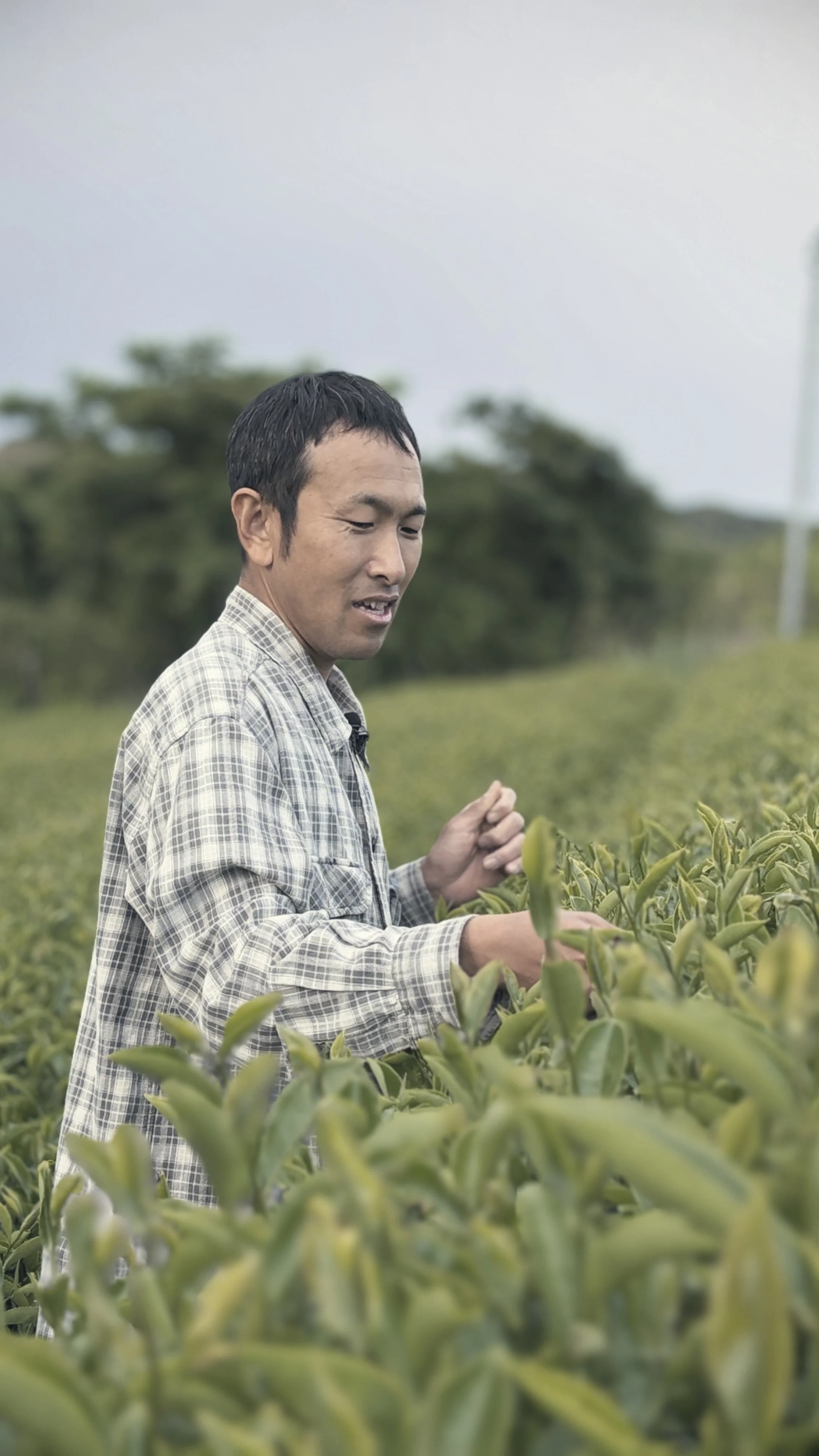
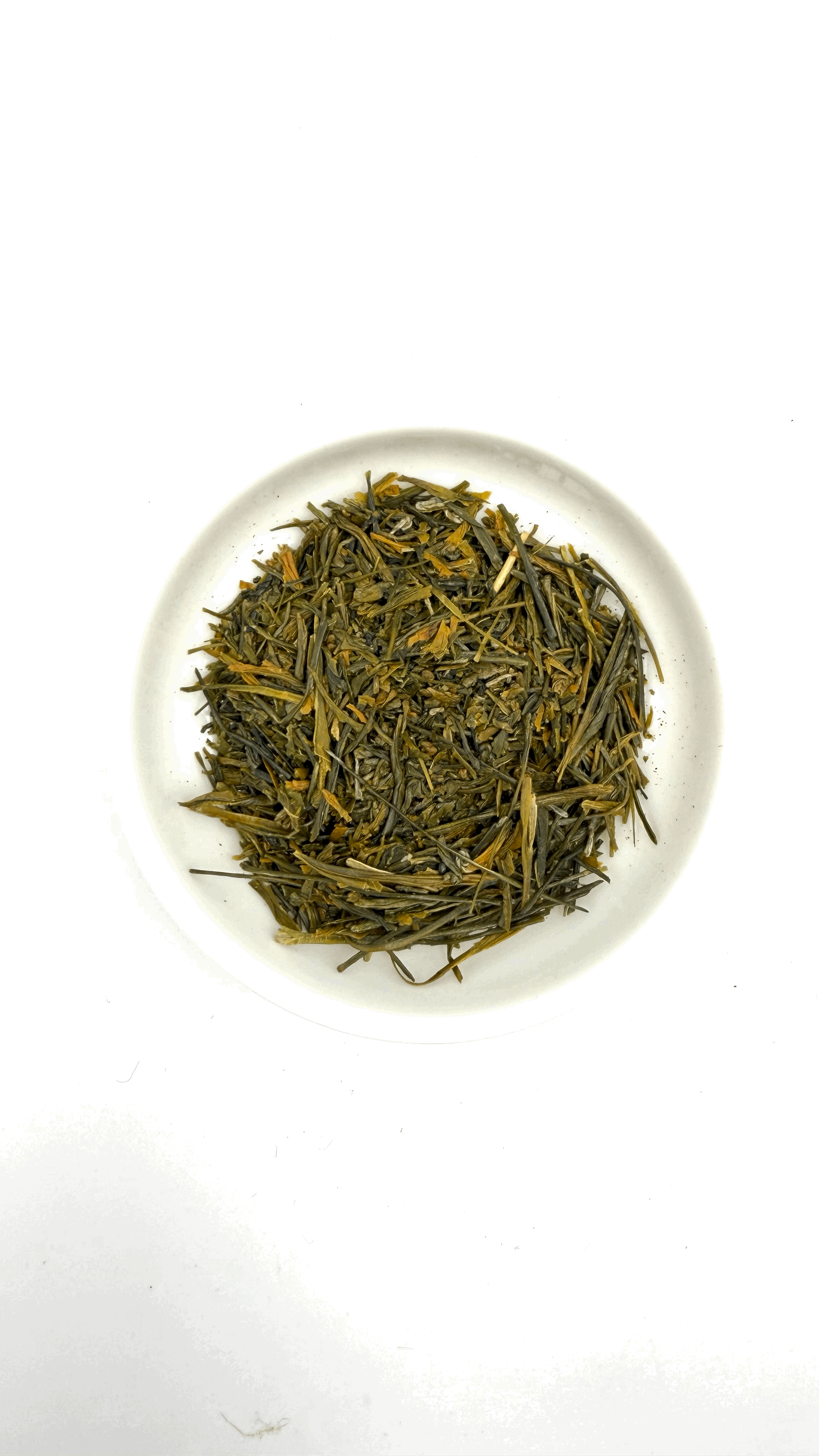
Toshifumi Shibamoto
Makinohara, Shizuoka, Japan
In the tea fields of Makinohara, Shizuoka, Toshifumi Shibamoto works quietly and passionately between the edge of tradition and experimentation. He shapes tea in small batches that emphasize aroma, texture, and expressive character.
His work draws on natural, chemical-free cultivation and a refined mastery of pan-firing and oxidation, allowing each tea to express its own clarity, fragrance, and texture. Rather than imposing a fixed style, he listens to what the leaf wants to become—shaped by place, time, and method.
What emerges are one-of-a-kind teas that feel vivid and exploratory. Each cup reflects an ongoing attention to balance—between human craft and the unfolding intelligence of nature.
Due to the unique nature of his teas, each one is a limited-batch, and we are deeply grateful to have the opportunity to share them with you.